CHARTING THE COURSE
Redesigning CSA Group’s
E-Commerce Experience
2022 - 2023
Overview
This case study showcases how I spearheaded a first-of-its-kind product discovery initiative at CSA Group to redesign the e-commerce store.
By building and operationalizing a user-centered research process—including collaborating with legal on consent protocols, establishing recruitment procedures, procuring tools, and mentoring product managers on planning and integrating lean research sprints into their roadmaps—I led the team to deliver an evidence-based, validated, and prioritized feature roadmap.
The result? The team and I de-risked development, secured necessary funding, and shifted organizational culture from an internal-first approach to a customer-first mindset.
While I led the design system initiative in parallel, the CSA store redesign served as a proving ground for the new methodologies, demonstrating how a commitment to accessibility, lean research practice and cross-functional collaboration can transform teams, products and processes.
Impact
The discovery process set a new precedent for how CSA Group tackles digital projects:
We eliminated guesswork by grounding our roadmap in customer feedback and strategic business goals, de-risking development and ensuring features addressed the right problems.
Established a mixed-method research process, integrating qualitative customer insights with quantitative data to move beyond assumptions based solely on numbers, creating a more customer-centered process.
From establishing consent platforms to creating research protocols, the process for rapid user research is now baked into more of CSA’s product development process.
Showcasing a thorough, evidence-backed and prioratized feature roadmap aided in senior executive buy-in and financial support for new features and improvements to the redesigned e-commerce store, all powered by the newly built design system.
Context
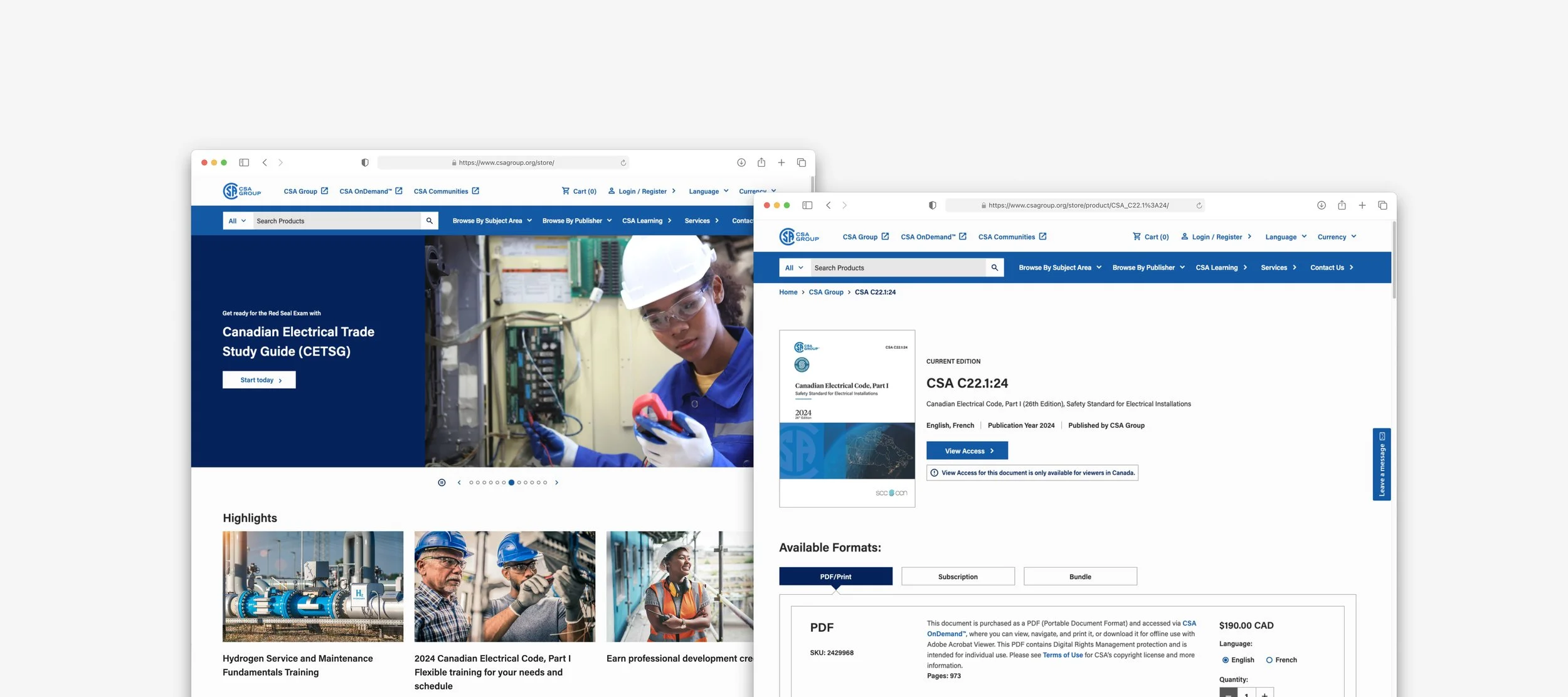
The Canadian Standards Organization (CSA Group) is renowned for its standards and certifications, but its e-commerce store had been designed around internal assumptions and processes rather than actual customer needs.
While a UX audit highlighted areas for improvement, the team lacked a clear way to prioritize the findings or connect them to a broader understanding beyond what the data revealed.
As a result:
Confusing customer journeys resulted in high drop-off rates, hindering conversions.
Limited accessibility created barriers that prevented some customers from completing purchases.
Fragmented internal alignment and inconsistent naming conventions caused confusion for both users and internal teams, leading to conflicting priorities and ineffective incorporation of user feedback.
Objectives
Derisk the redesign by validating product decisions through customer feedback and internal partner alignment.
Create a prioritized roadmap that balances customer desirability, usability, technical feasibility, and business viability.
Personally, I recognized the importance of including the following 2 objectives to ensure the long-term scalability and impact of this work
Transform the "build-first, test-later" mentality into a lean, evidence-based, research-driven approach.
Establish iterative and sustainable research procedures that product teams can adopt for future projects.
RELATED ARTICLE
Is the Discomfort of Product Discovery Preventing You From Building Better Products?
This article I wrote during my time at Thoughtworks explores the challenges and rewards of embracing discomfort in product discovery, highlighting its crucial role in building better products and fostering a sense of purpose within teams.
Role
I owned the end-to-end discovery strategy, including stakeholder alignment, research methodology, and final roadmap.
I also established internal research operations—setting up legal frameworks, consent processes, and best practices that continue to shape ongoing product development.
Team
Myself as the Product Discovery Lead, UX Research and Design Practice Owner.
Store Product Manager with who I partnered with throughout the process, especially the prioritization and roadmap alignment.
Assistant Product Manager (Part-time) who assisted in supporting research sessions and documentation.
2 Junior UX Researchers who helped me in conducting interviews, usability tests, and synthesized data.
1 Senior Product Designer who focused on prototyping, and the redesign focused on alignment with the design system
Duration
6 Months of Discovery which included 4 phases:
Month 1: Foundational Alignment & Research Ops Setup
Months 2–3: User & Stakeholder Research
Months 4–5: Ideation, Prototyping & Validation
Month 6: Roadmap Prioritization & Executive Buy-In
At the same time, I was leading the creation and standardization of CSA’s first digital product design system from the ground up to unify teams, streamline processes, and bake in accessibility from day one. Seizing the opportunity, I guided CSA to use the store redesign as a living example of how user-centered design and a solid research practice could drive real, measurable impact.
While the design system team focused on building out reusable, accessible components, this project leveraged that work in real-world application, validating the system’s impact on an actual redesign.
Phases of Research
Leveraging my experience as a senior consultant specializing in product discovery research for organizations like Meta, iRobot, Ford, RBC, and Bose, I designed a lean and adaptable four-phased approach. Each stage employed distinct research methods to build evidence and ensure comprehensive discovery while maintaining efficiency and flexibility.

IMMERSION & ALIGNMENT
Lays the foundation with thorough planning, internal partner alignment, and analysis of existing research to ensure a focused and informed start.
FOUNDATIONAL & TECHNICAL RESEARCH
Captures real user needs and technical insights to identify opportunities and align priorities, creating a user-centered approach.

GENERATIVE
Develops and refines ideas through workshops, validation, and business viability checks to ensure practical, user-focused solutions.

EVALUATIVE TESTING
Prototypes and features are tested with real users, reducing risks and ensuring confidence before development begins.

LAYING THE GROUNDWORK
For the initial stage, some of the elements I focused on were:
Reviewing past research: Analyzed previous UX audits, NPS surveys, and other quantitative research related to the e-commerce platform to identify trends and insights.
Understanding the technology stack: Investigated the technologies powering the e-commerce platform, including transaction systems, content management workflows, and how internal teams add and update content on the site.
Establishing legal and consent protocols: Worked with legal to ensure user research was compliant. Procured a consent management platform to streamline participant onboarding for interviews and testing.
Internal Partner interviews: Gathered perspectives from sales, product, finance, and customer support to uncover existing pain points and define success metrics for the redesign.
Establishing Foundations for Research
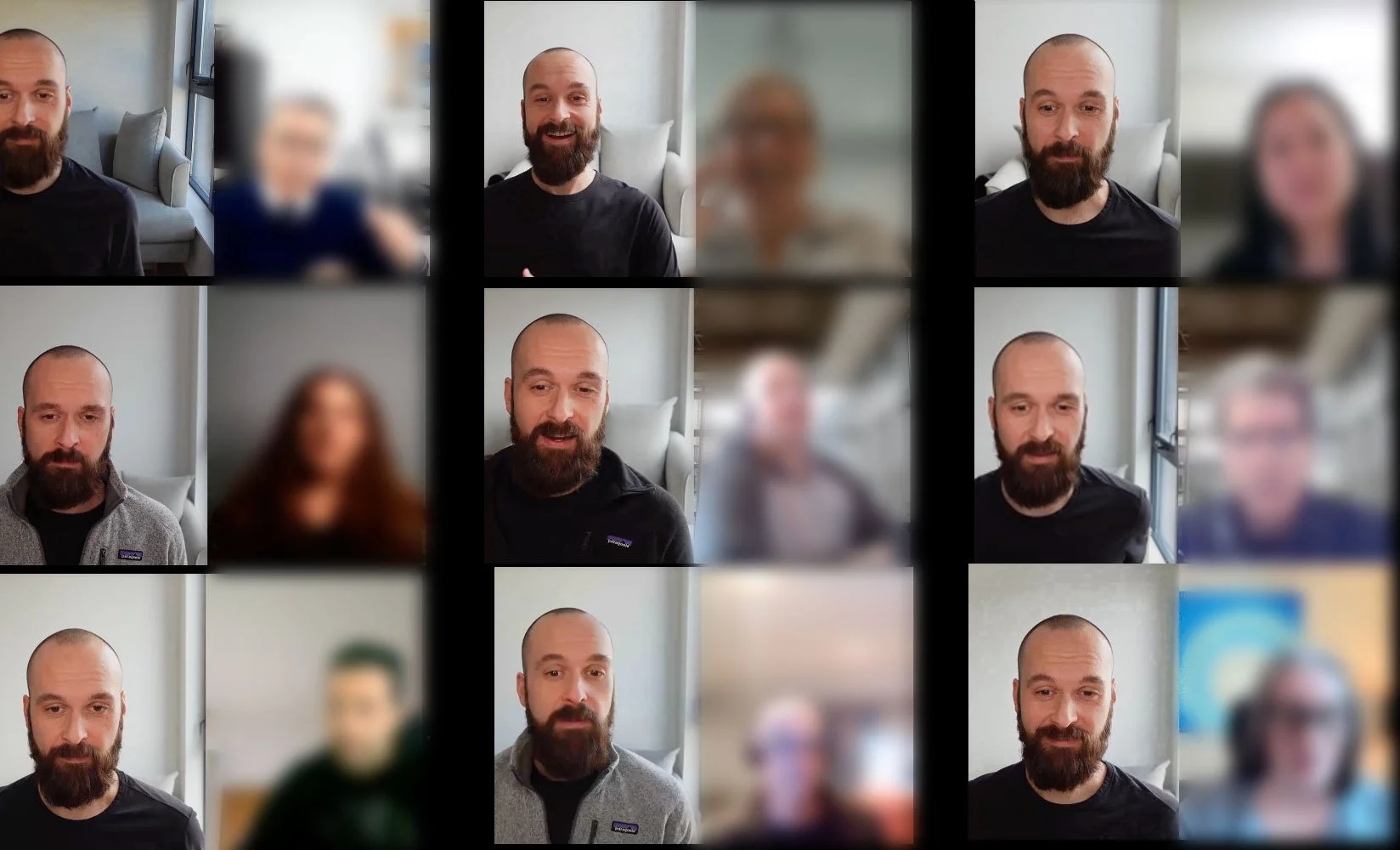
Internal partner interviews (n=12) to gather diverse perspectives from departments who interface with the store or standards and uncover existing pain points and knowledge gaps.This was the first time CSA had approached a major project with such a structured research operations framework. The initial success here built trust and set the tone for collaborative discovery.
DRIVING DISCOVERY
Understanding Customer Needs
With research processes in place, we dove into understanding customers’ true needs:
User interviews and surveys recruited diverse user groups, from first-time customers to frequent enterprise buyers. Key pain points included confusing navigation, accessibility issues, and difficulty finding relevant products.
Co-creation workshops brought stakeholders and team members together to collaboratively brainstorm solutions. These sessions not only generated feature ideas but also included impact-effort prioritization exercises, helping to align on what would deliver the greatest value with the least complexity.
Insights confirmed that the store’s challenges were both usability-related and culturally driven—reinforcing the need to break internal silos and reorient around user outcomes.
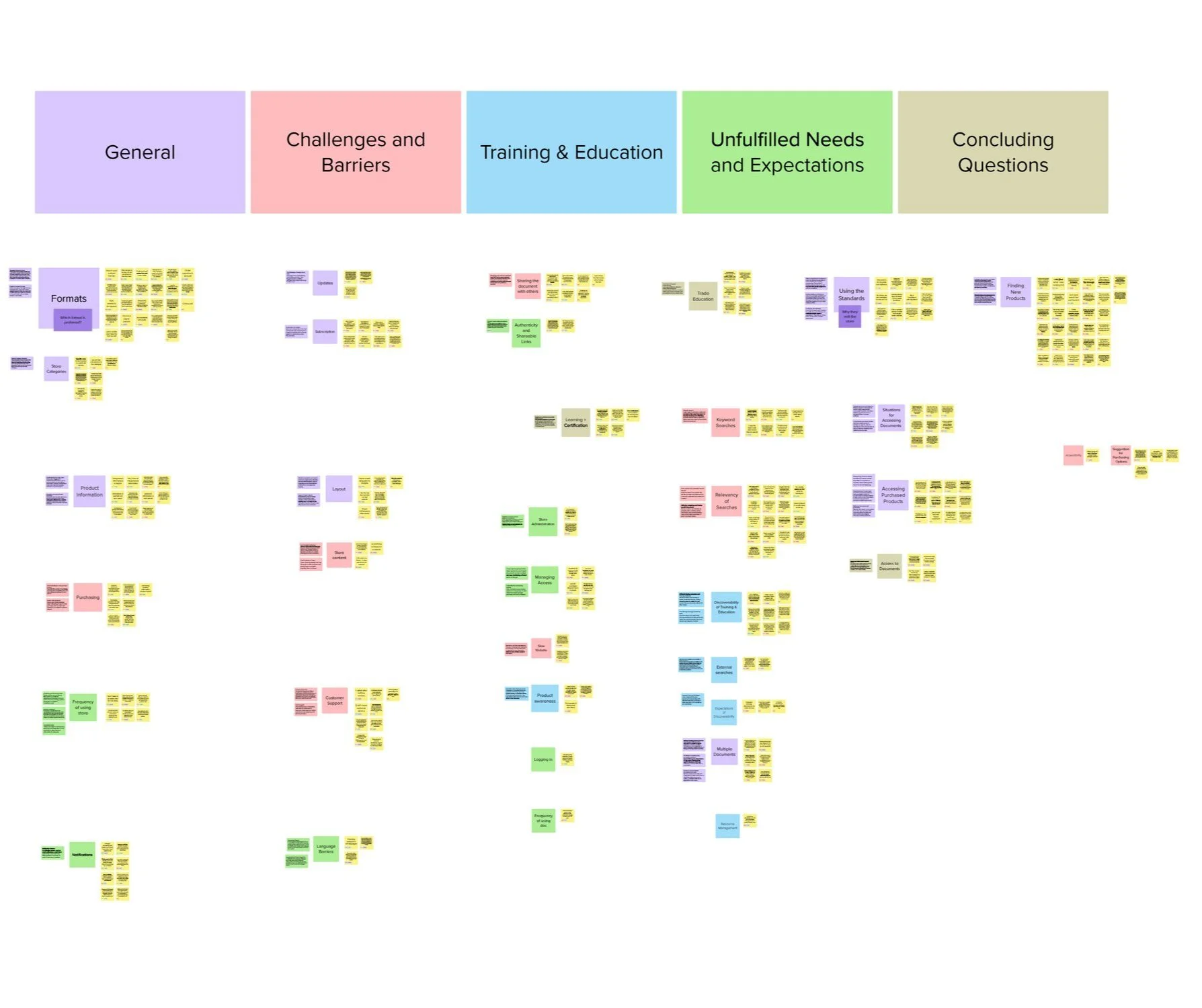
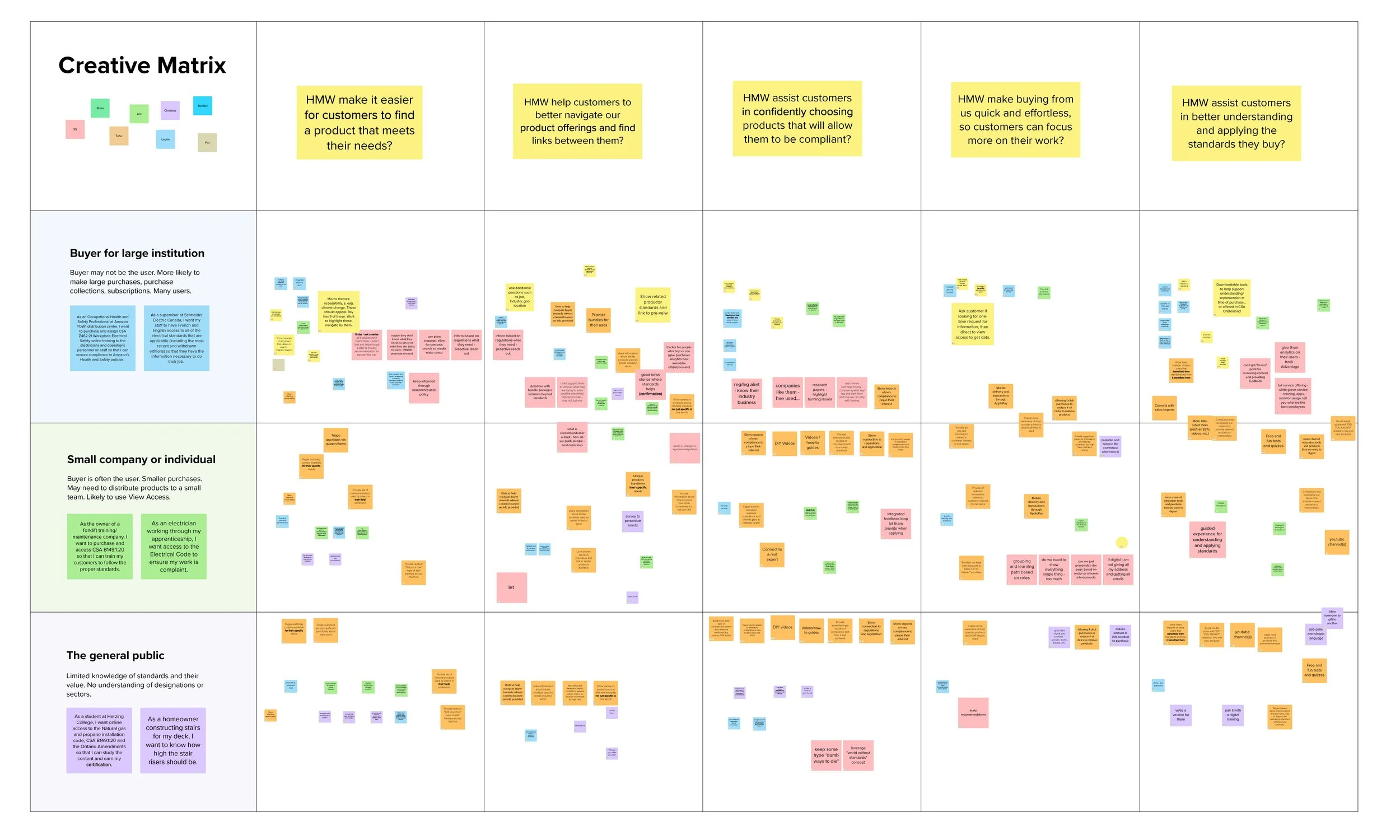
Synthesizing user interview insights: Starting in Mural, we transitioned to Optimal Workshop for deeper analysis once it was secured through procurement.I facilitated a brainstorming session using the Creative Matrix framework, which organizes ideas across themes and prompts creativity through structured intersections. With input from internal partners I previously interviewed—spanning diverse perspectives from customer support, finance, and marketing—we generated over 200 innovative ideas.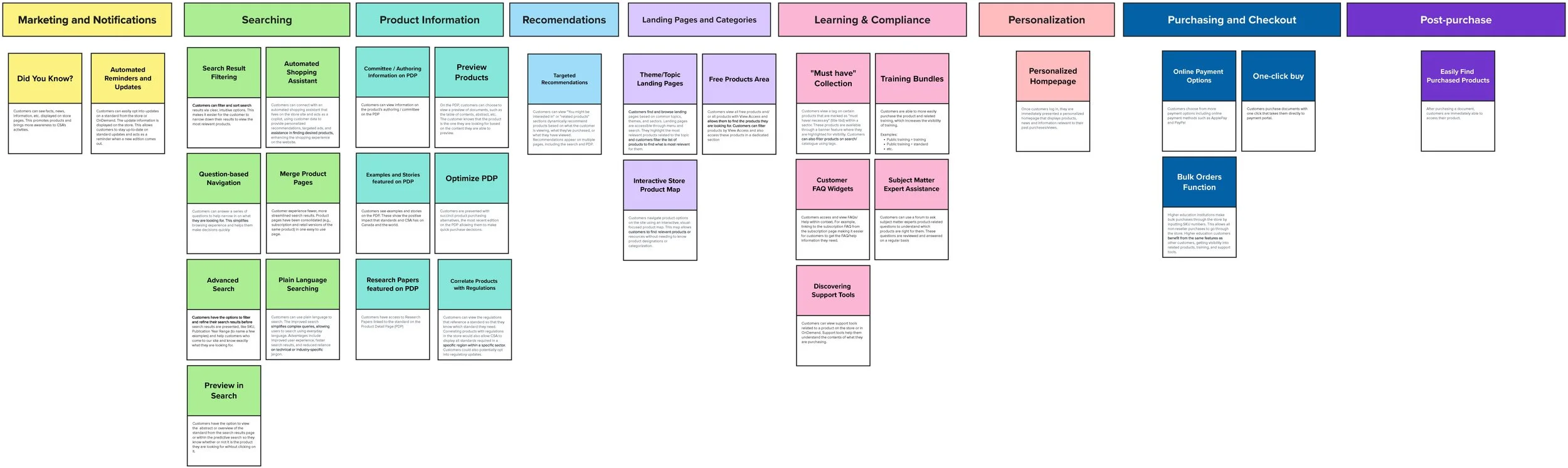
Building on the concepts, I affinity mapped and grouped common themes, transforming them into high-level concept cards for further development.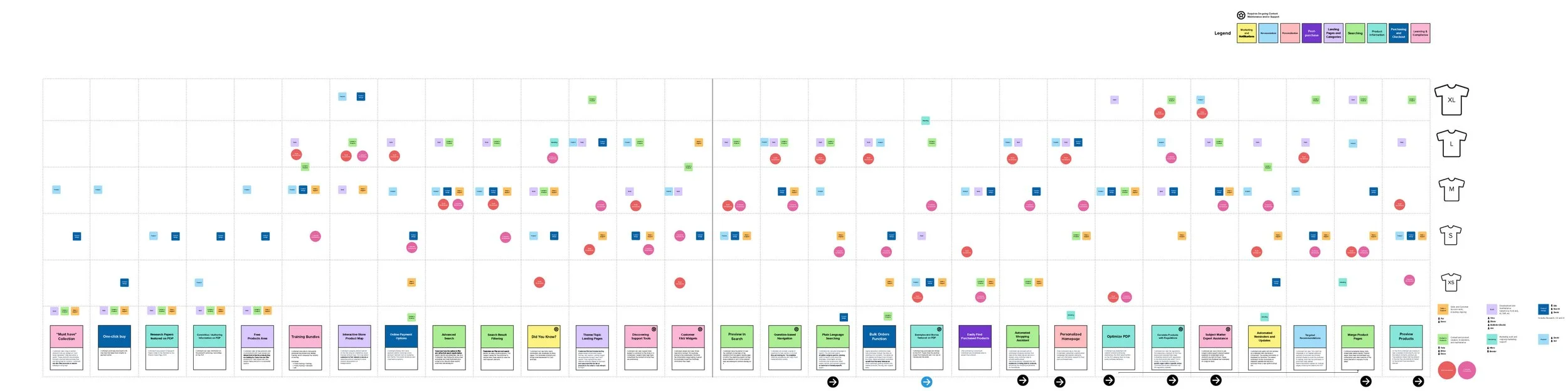
Concept cards were evaluated in a workshop with teams across functions, ranking customer impact and build effort using T-shirt sizing to guide research prioritiesIDEATION AND VALIDATION
With pain points clarified, our next focus was iterating solutions and continuously validating them:
Rapid prototypes were built with the Senior Product Designer, aligned with the design system to accelerate layout decisions and ensure accessibility compliance was top of mind.
Cross-functional review sessions brought together product managers, developers, and internal stakeholders, teaching the value of iterative design while refining solutions collaboratively.
Feedback loops tested incremental prototypes with users using newly established research playbooks, capturing real-time feedback and quickly refining key features like product search, filtering, and checkout flows.
Turning Insights into Solutions
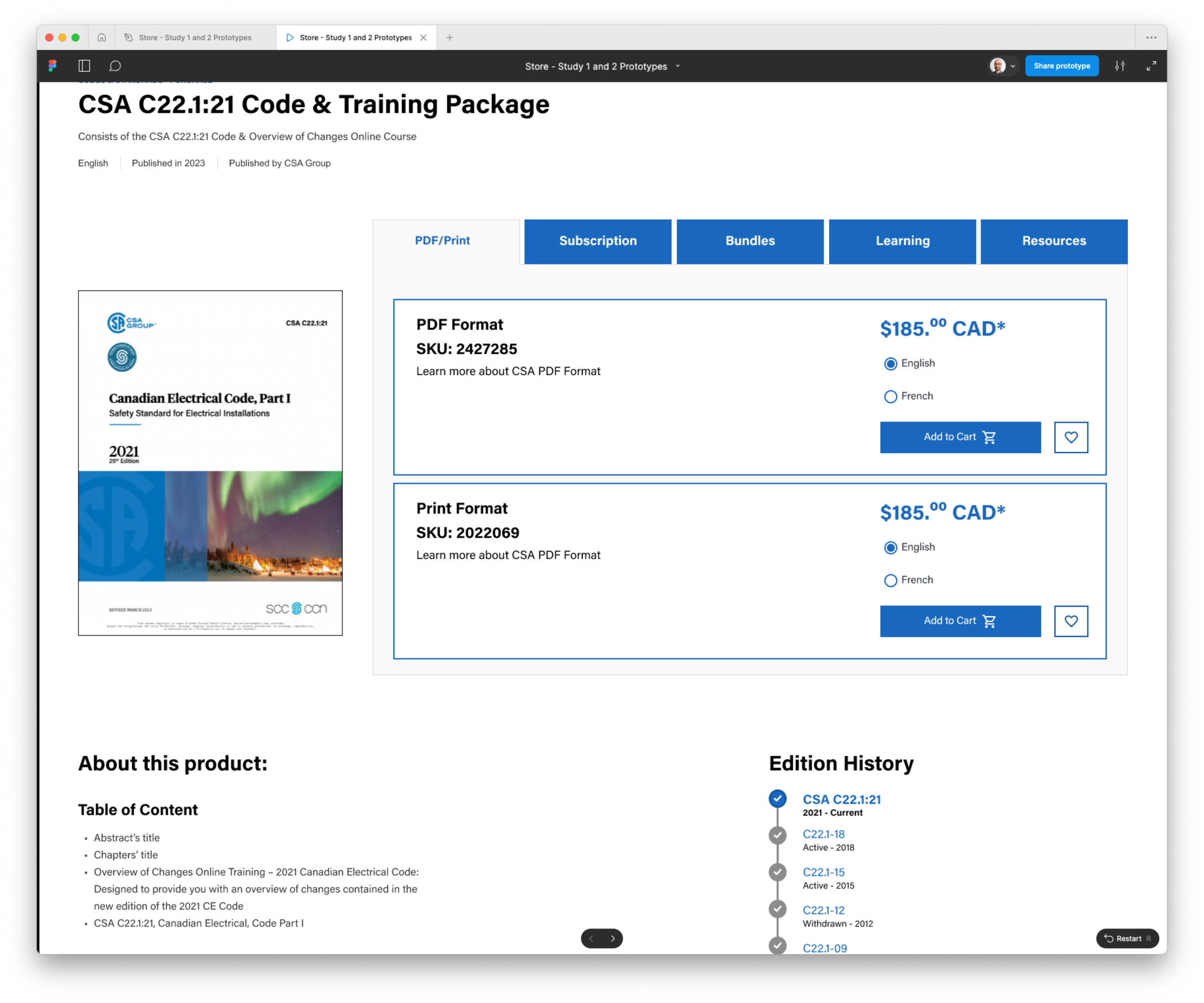
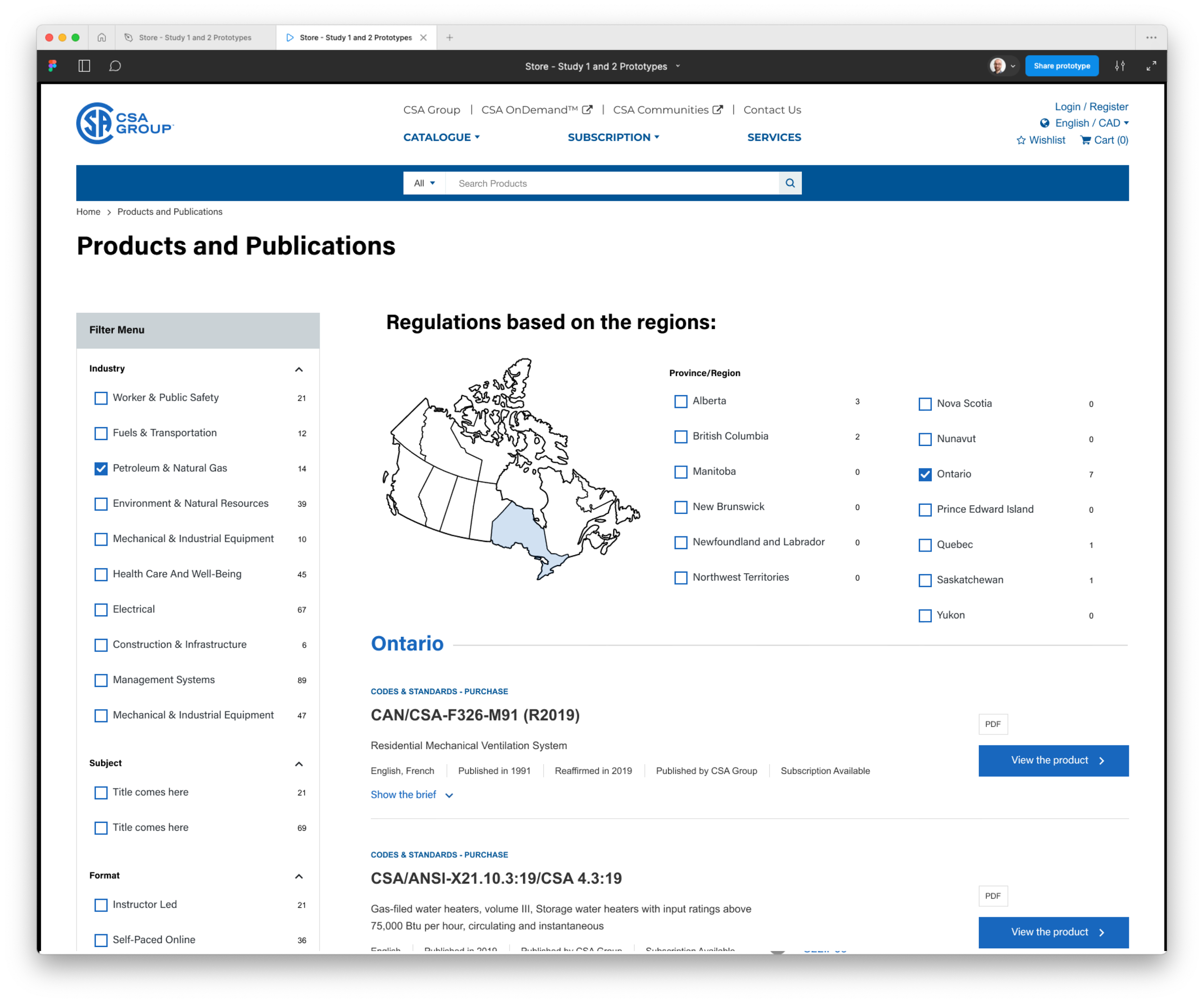
I led the design team in creating quick prototypes for high-value concepts, leveraging the design system and robust user research to de-risk and validate ideas before roadmap inclusion. This approach streamlined handoffs and established a new workflow norm at CSA.PRIORITIZATION AND EXECUTIVE BUY-IN
Securing Resources and Commitment
After validating potential features, we:
Combined customer value, business impact, and technical complexity into a prioritization framework, ensuring limited resources were allocated effectively.
Presented a clear, data-backed roadmap to executives, showing exactly how features would address user pain points and drive revenue. This secured full sponsorship and funding for the redesign.
Established measurable KPIs around conversion rates, accessibility benchmarks, and user satisfaction scores, ensuring iterative releases could be tracked and refined.
KEY RESULTS
Tangible Benefits and Organizational Change
Through a customer-focused approach, the redesign not only secured executive buy-in but also demonstrated measurable impact, paving the way for broader adoption of customer-centric practices across the orginization.
EARLY TESTING
Reduced post-launch rework by identifying and addressing issues early in the process.
STREAMLINED PROCESSES
Faster user-recruitment timelines achieved through the use of standardized templates and workflows.
EXPANDING IMPACT
The redesign’s success inspired senior leaders to champion more customer-centric methods for all new digital products.
CONTINUOUS IMPROVEMENT
Building a Sustainable Research Culture
One of the greatest successes of this project was embedding a sustainable research culture into organization:
The success of this discovery project has inspired a broader shift, motivating teams across CSA to embrace structured product discovery and evidence-based decision-making.
Research operations are now standard, with templates and consent protocols reducing the time needed to recruit and test.
Product managers, who initially resisted research due to concerns about time, lack of skills, or other challenges, now actively initiate internal partner and customer interviews for new features, embracing a self-service approach to discovery.
Research methodology and operations are continually refined, enabling teams to pivot quickly and ethically as customer expectations evolve.
This newly ingrained customer-first mindset has expanded to other digital and product lines, supporting my mission to elevate design and research at CSA.

Final Thoughts
The store redesign stands as a pivotal example of my strengths in orchestrating complex product discovery and establishing sustainable research practices and an accessibility-first mindset.
Through this project, CSA Group gained more than a redesigned e-commerce storefront—it gained an enduring model for how to authentically integrate customer feedback into product development lifecycle, ensuring that every customer’s experience is top of mind from the very first discussion to deployment.