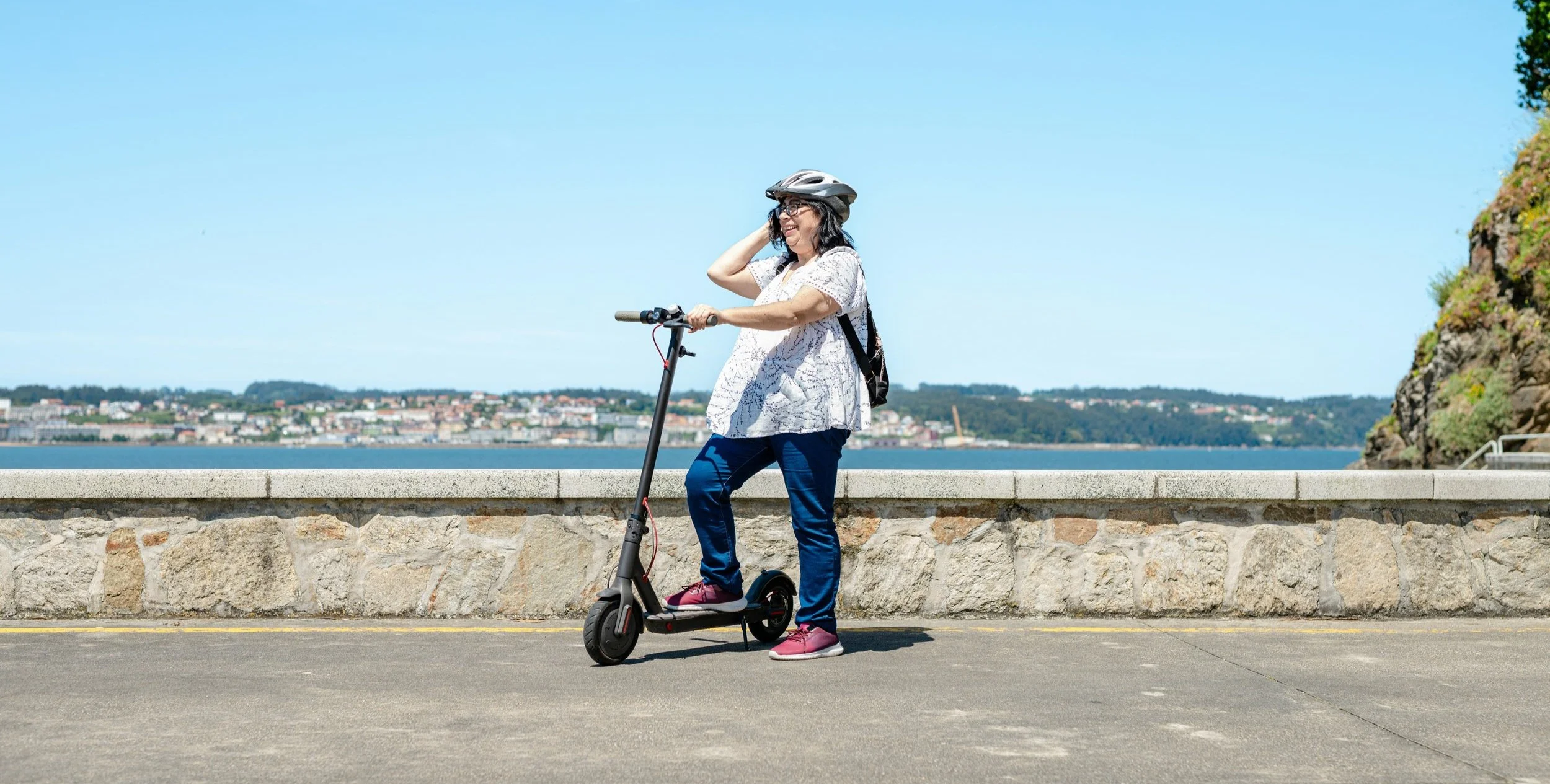

EXPLORING NEW FRONTIERS
Prototyping Audio and Haptic Navigation
2019
Overview
This discovery project with Bose Labs aimed to explore, prototype, and validate an innovative navigation system combining audio navigation and haptic feedback for shared scooters.
Over six months, the project advanced through four key phases, culminating in field testing in Santa Monica and Washington, DC.
My contributions, focused on Phase 4, highlighted my ability to quickly onboard and adapt quickly to fast-moving, complex innovative project environments.
Acting as both a Product Designer and In-Field Researcher, I refined prototypes, orchestrated live tests, and solved real-time challenges.
Impact
Usability and safety were validated through field tests with 27 participants in live urban environments.
On-the-ground problem solving was crucial to adapt to challenges and refine prototypes based on user feedback.
These efforts influenced Bose’s strategic decision-making, integrating learnings into future R&D initiatives.
The project achieved notable milestones, including being awarded a patent, which recognised the novelty of integrating audio and haptics for navigation.
Context
Bose Labs is renowned for groundbreaking audio technologies, but this project ventured into uncharted territory by exploring micromobility as an emerging market. The team hypothesized that integrating audio navigation with haptic feedback could reduce cognitive load and enhance rider safety, addressing key pain points like frequent phone checks and visual distractions.
Connected (now Thoughtworks Canada) partnered with Bose to lead this innovation journey, progressing from discovery to validation across four phases:
Phases 1–3: Focused on market research, user interviews, and prototyping audio-first software and haptic hardware systems. These early stages identified user needs and established the foundation for real-world testing.
Phase 4: The critical validation stage where I joined the project, focusing on field testing and refinement to bridge theory and application.
Role
I played a pivotal role in Phase 4, stepping into an active, complex project to refine and validate prototypes.
My dual responsibilities as Product Designer and In-Field Researcher involved designing the audio and haptic systems while leading user testing sessions.
I worked hands-on to resolve technical challenges in real-time, ensuring a seamless experience for participants.
My previous experience as a Design Director at a creative technology agency prepared me to thrive in this type of environment. In that role, I regularly managed fast-paced, interdisciplinary projects involving digital and physical installations worldwide. This background enabled me to adapt quickly, take ownership of critical tasks, and deliver impactful results.
LAYING THE GROUNDWORK
The early project phases identified critical pain points, such as the need to reduce screen reliance and improve hands-free navigation for scooter riders.
Based on these findings, the team developed an audio-first software prototype featuring GPS-powered turn-by-turn navigation and contextual signals.
A haptic hardware prototype complemented this, offering tactile feedback via vibration motors and LED indicators.
When I joined the project, I worked with the team to refine these prototypes through controlled environment testing. These trials aligned functionality with user needs and prepared the systems for rigorous real-world testing in Phase 4.
From Concept to Working Prototype
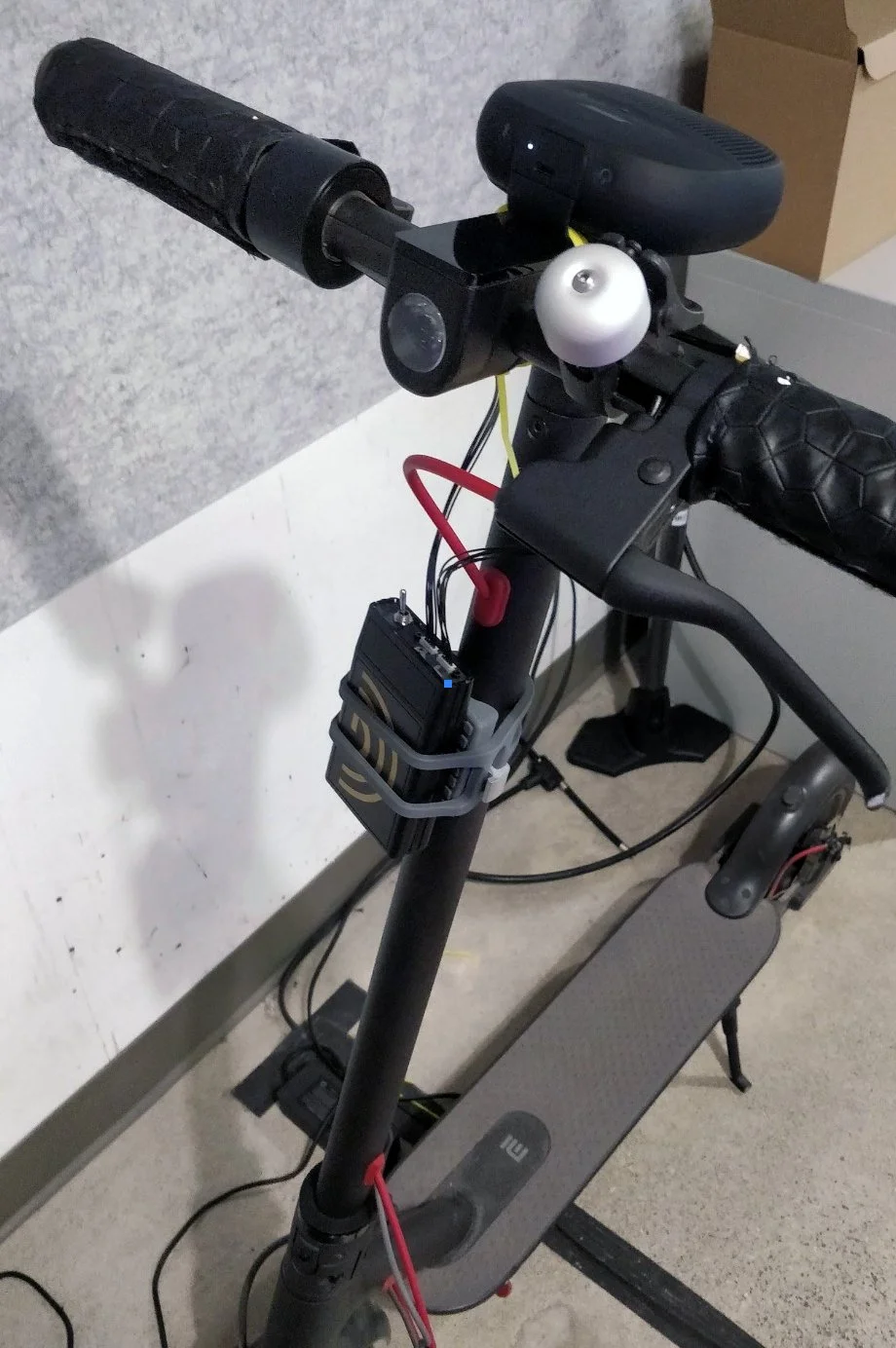
Haptic and Audio prototype mounted on my test scooter 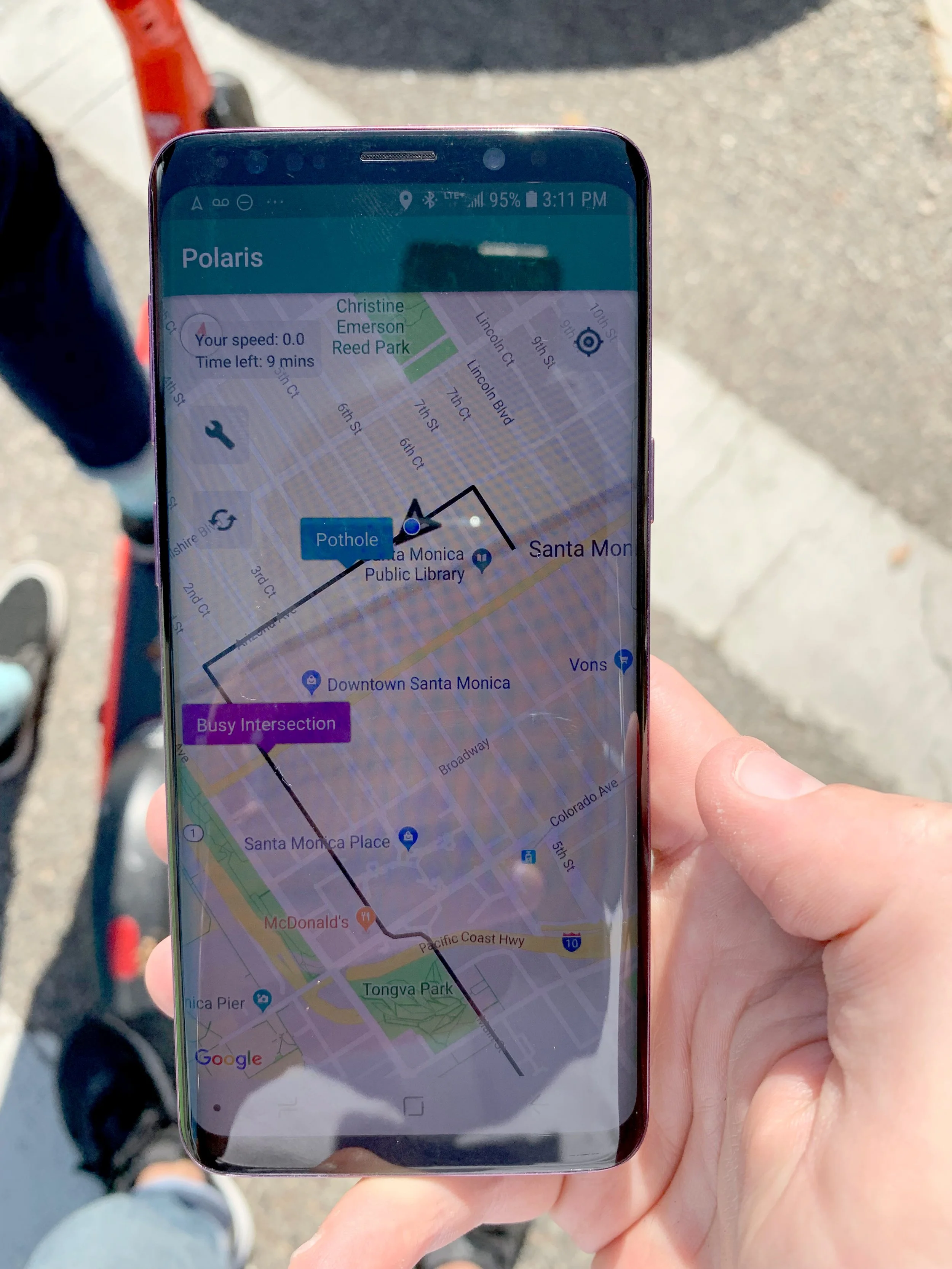
Software prototype using the Google Maps APIMAPPING THE PATH
Route Planning and Safety Protocols
To ensure meaningful real-world validation, I scouted and mapped test routes in Santa Monica and Washington, DC.
Each route was carefully chosen to balance safety with complexity, challenging the prototypes under diverse conditions.
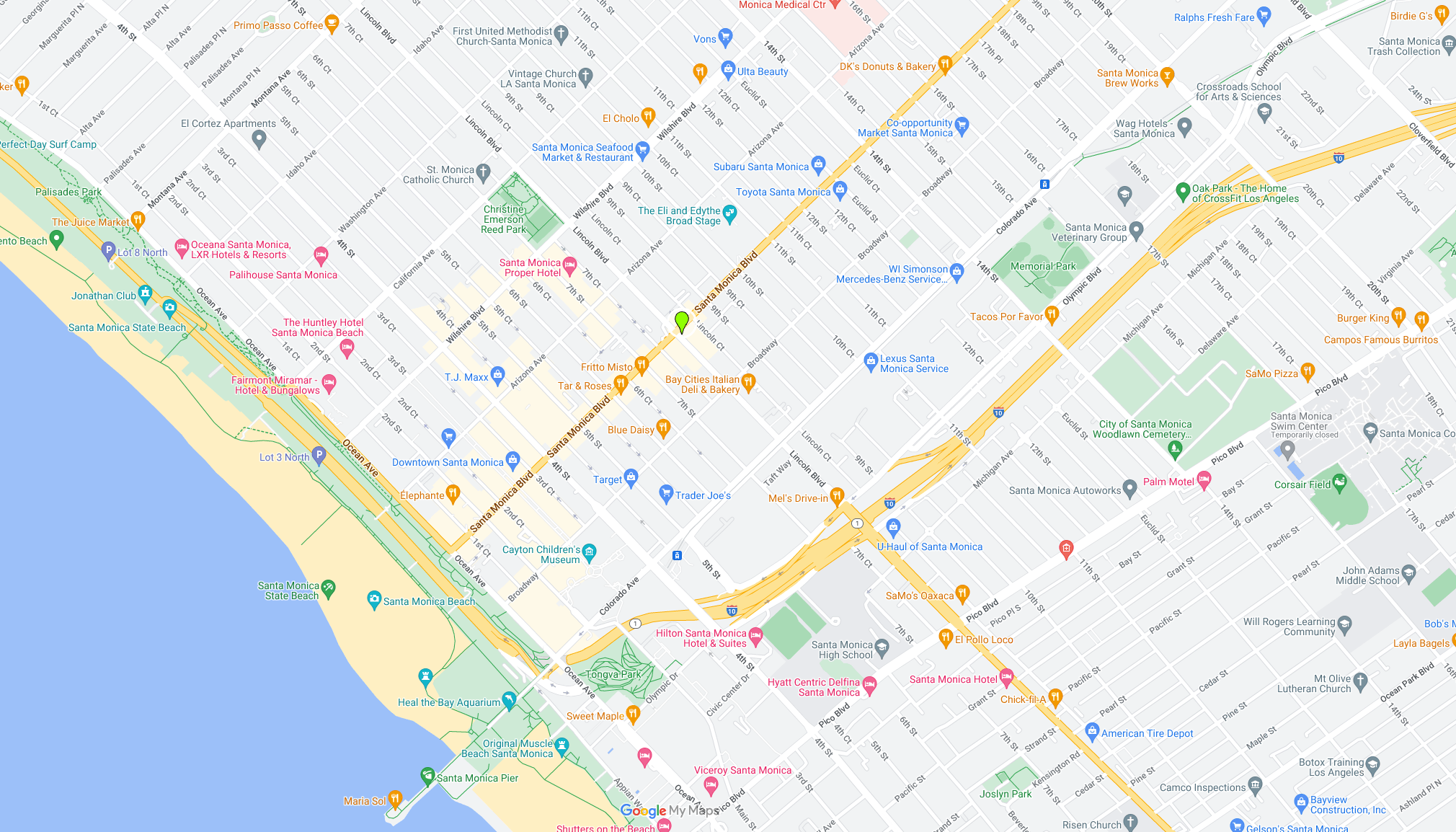
Routing the test route in Santa Monica, CA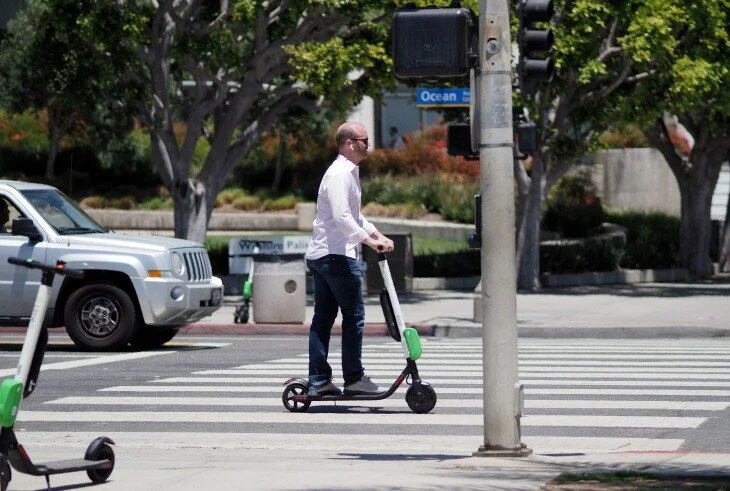
Commuter using a Rental Scooter Santa Monica, DCI evaluated urban infrastructure, including bike lanes, intersections, and high-traffic areas, to ensure that the routes offered a realistic yet safe environment for testing.
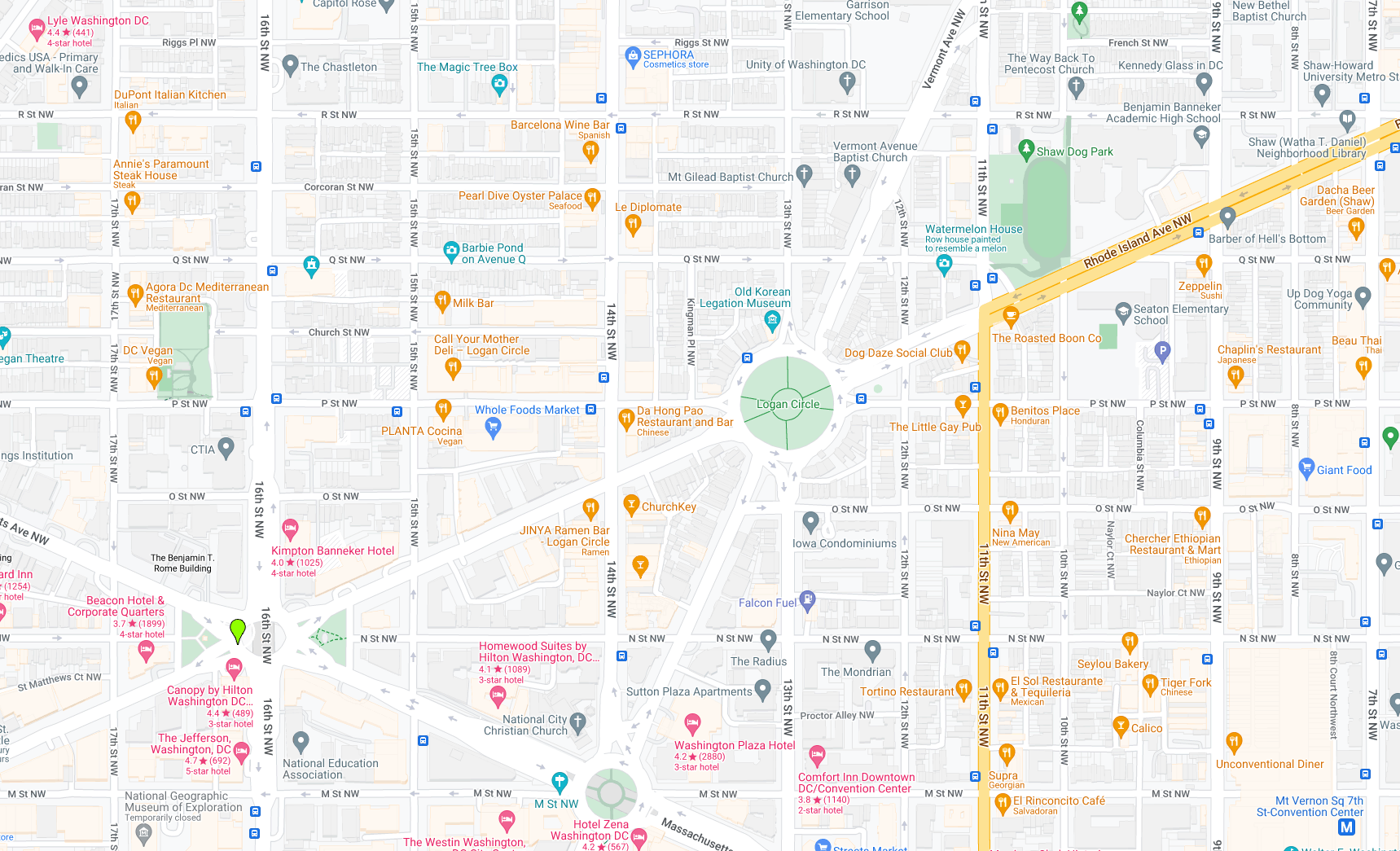
Planning the route in Washington, DC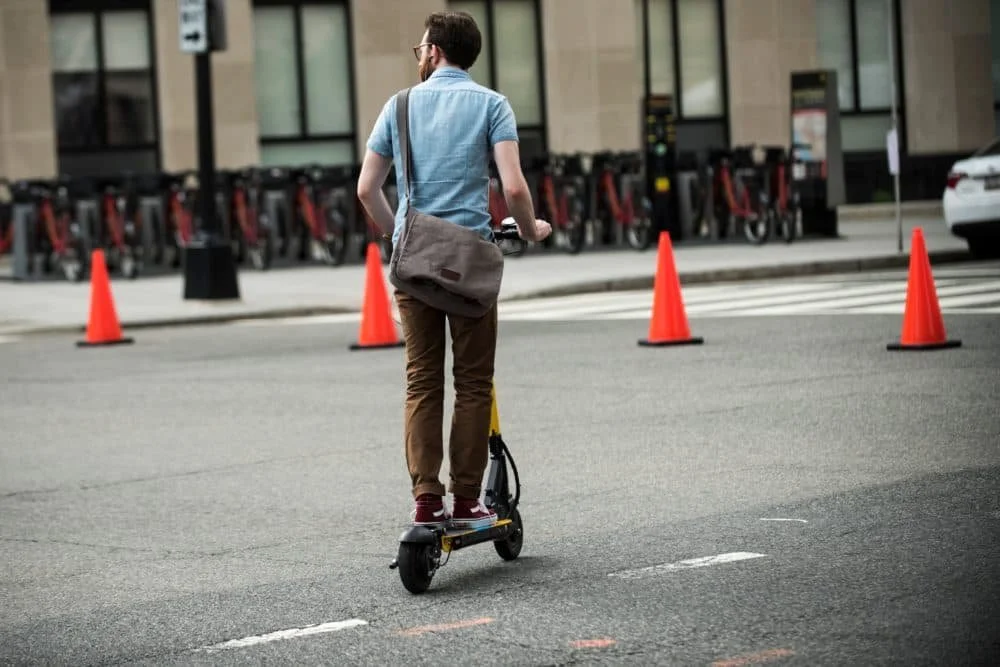
Commuter using a Rental Scooter in Washington, DCBy documenting and photographing each path, I aligned the team on safety protocols and testing objectives before participants arrived.
IN-FIELD USER TESTING
Bringing the Prototype Navigation System to Life
I was responsible for facilitating user testing with 27 participants, ensuring they could fully engage with the navigation prototypes.
Before each ride, I provided participants with clear instructions on how to use the audio and haptic systems.
During the rides, I observed their interactions, either riding alongside them or following in a chase vehicle.
I also designed the audio prompts to be intuitive, timely, and optimized for safe, hands-free navigation.
This hands-on involvement ensured that every test generated meaningful feedback.
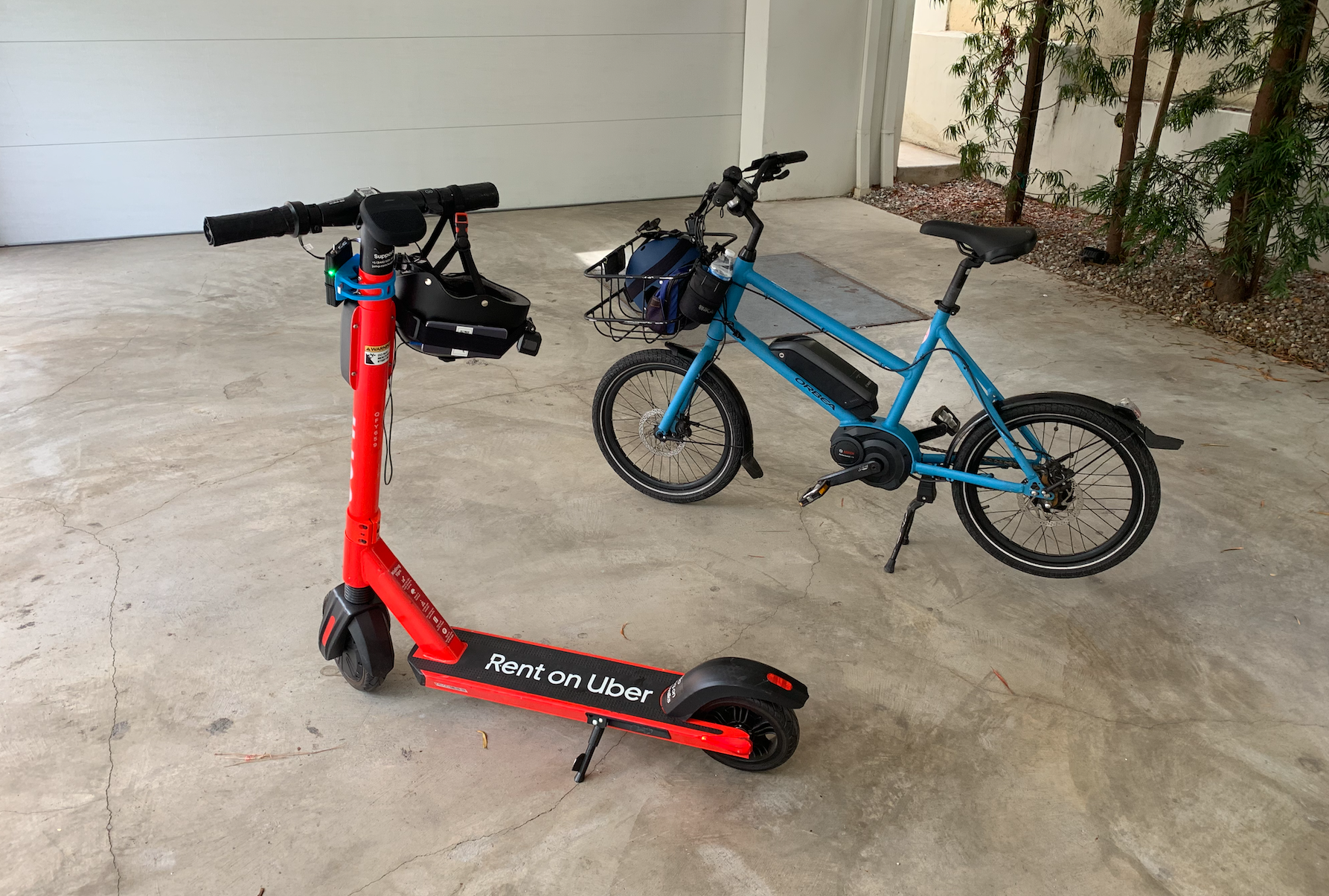
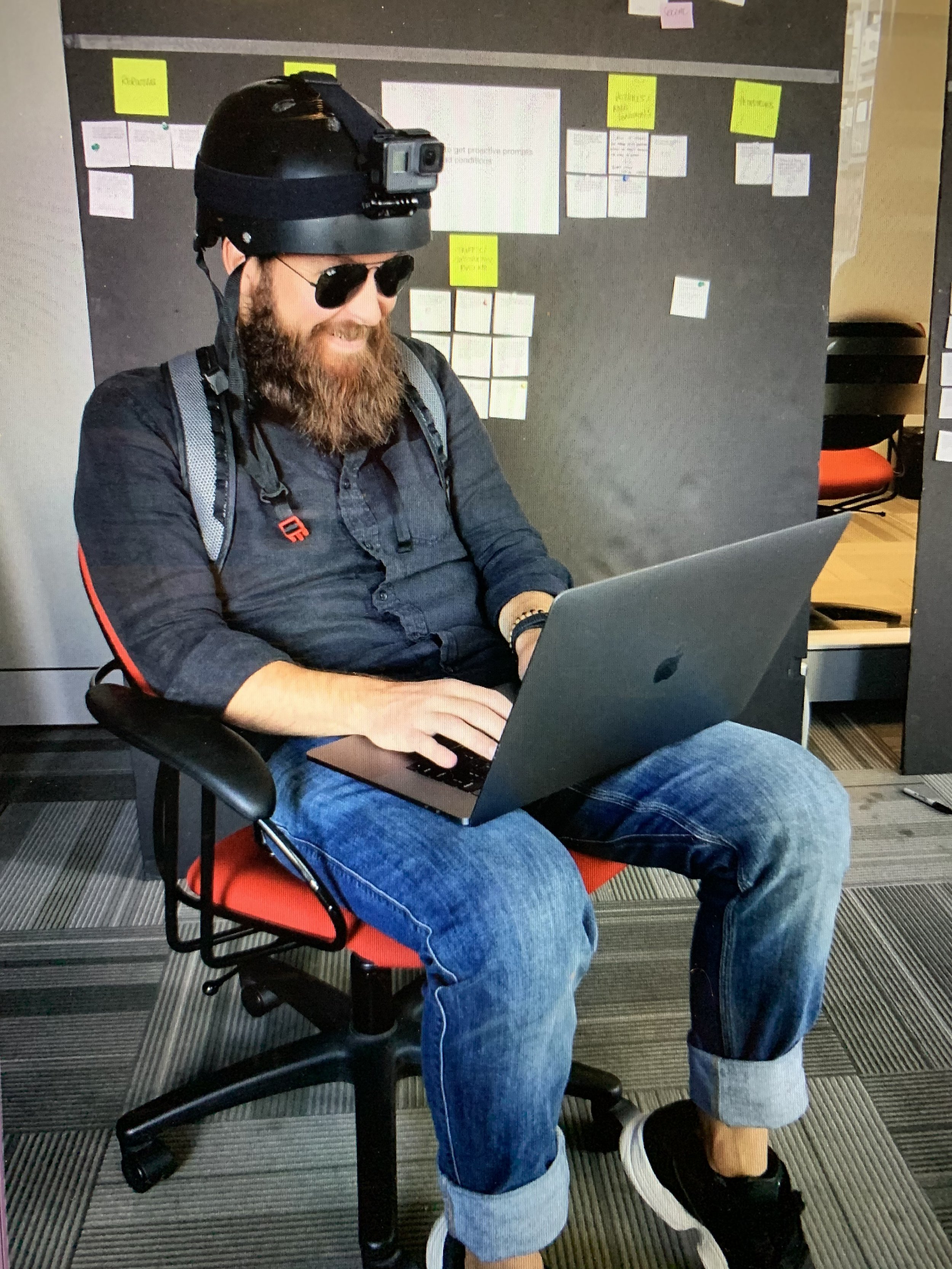
Prototype mounted on scooter and my electric bike to follow the participant in.Tweaking the Audio Feedback after a test.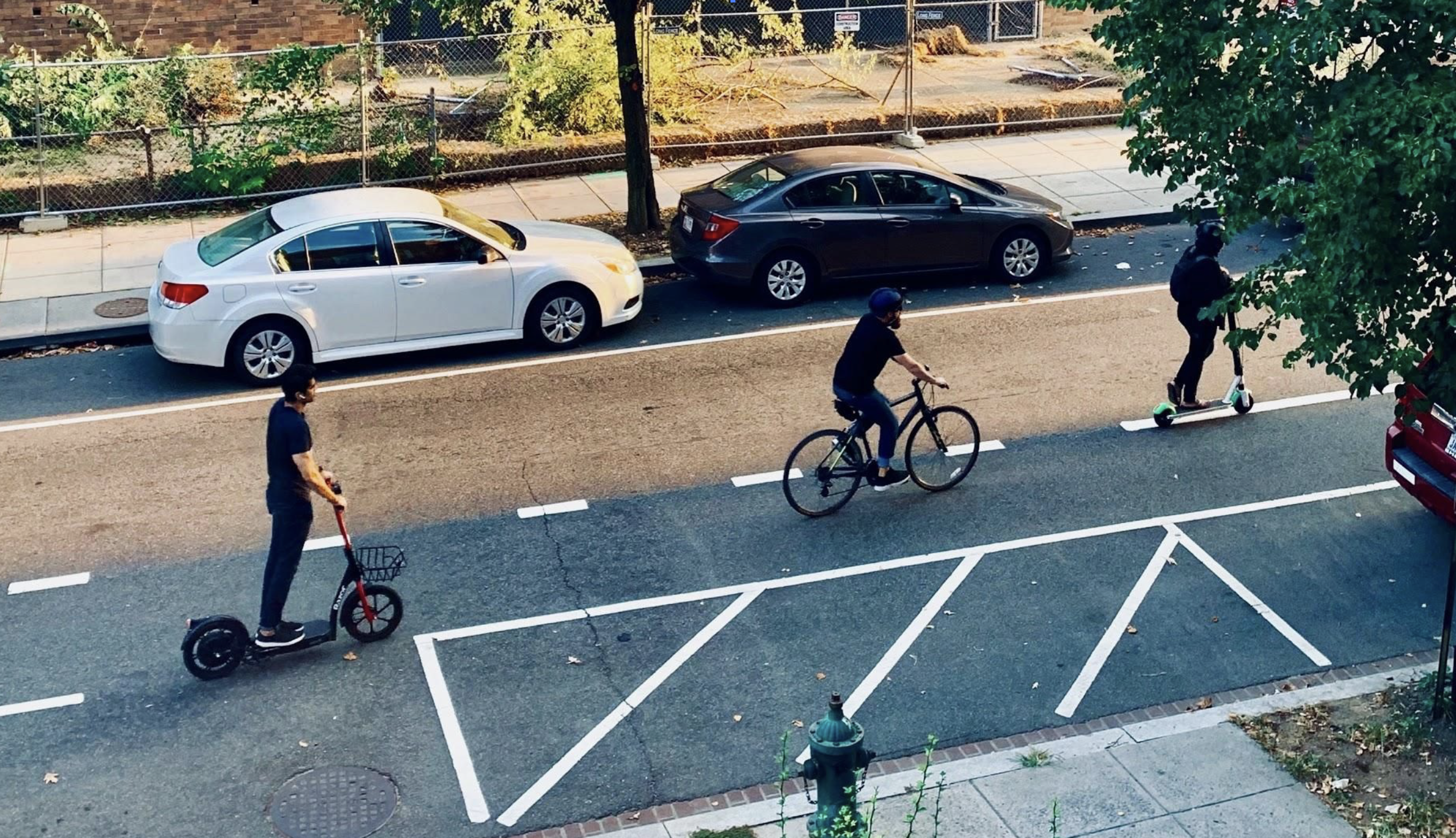
Riding behind the research participant on a bikeFEEDBACK CAPTURE
Turning Insights into Action
After each ride, I conducted post-ride interviews to collect both qualitative and quantitative feedback.
During the research, participants reported feeling safer and more confident due to the reduced cognitive load, with many emphasizing the intuitive benefits of the haptic feedback in noisy environments.
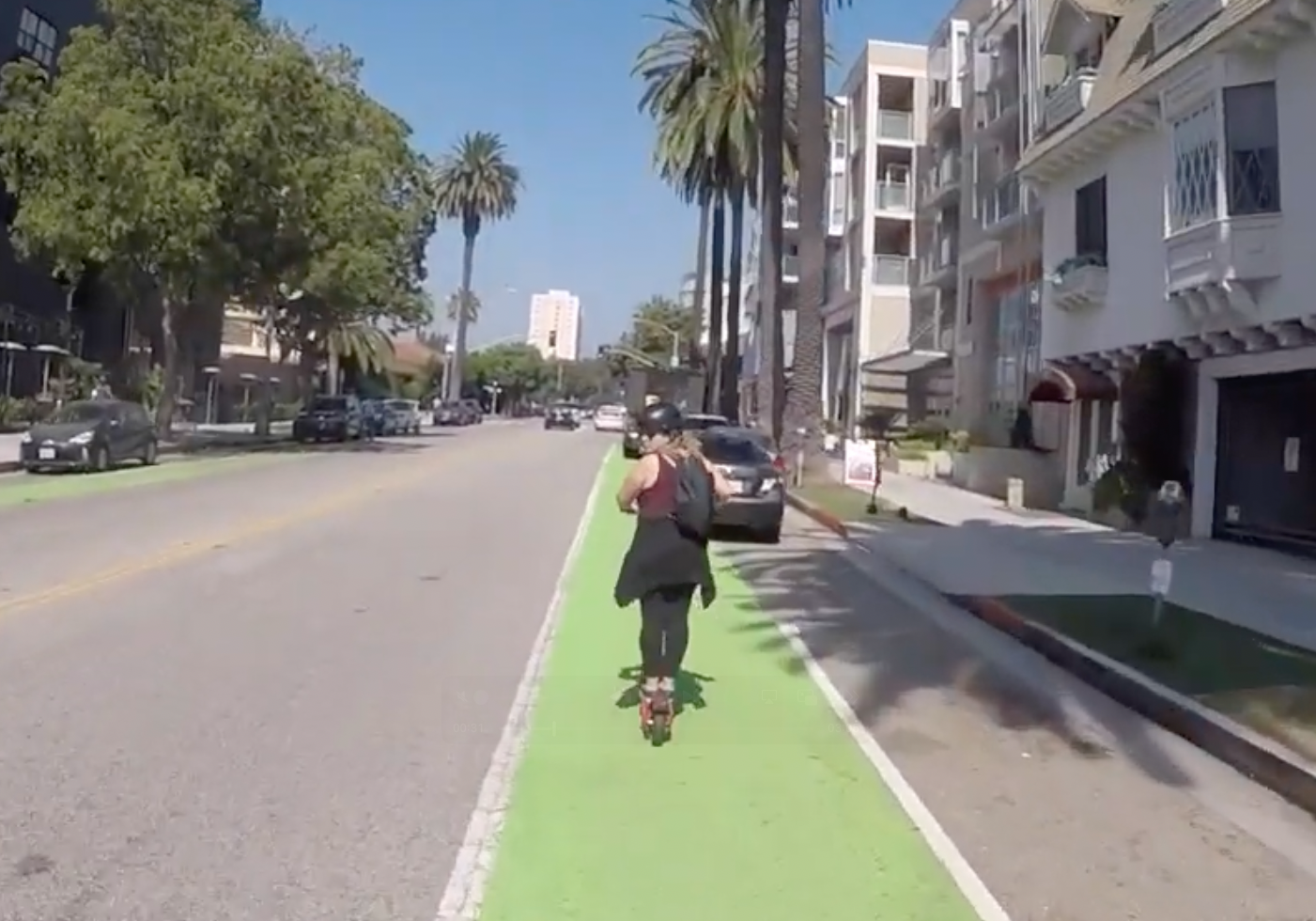
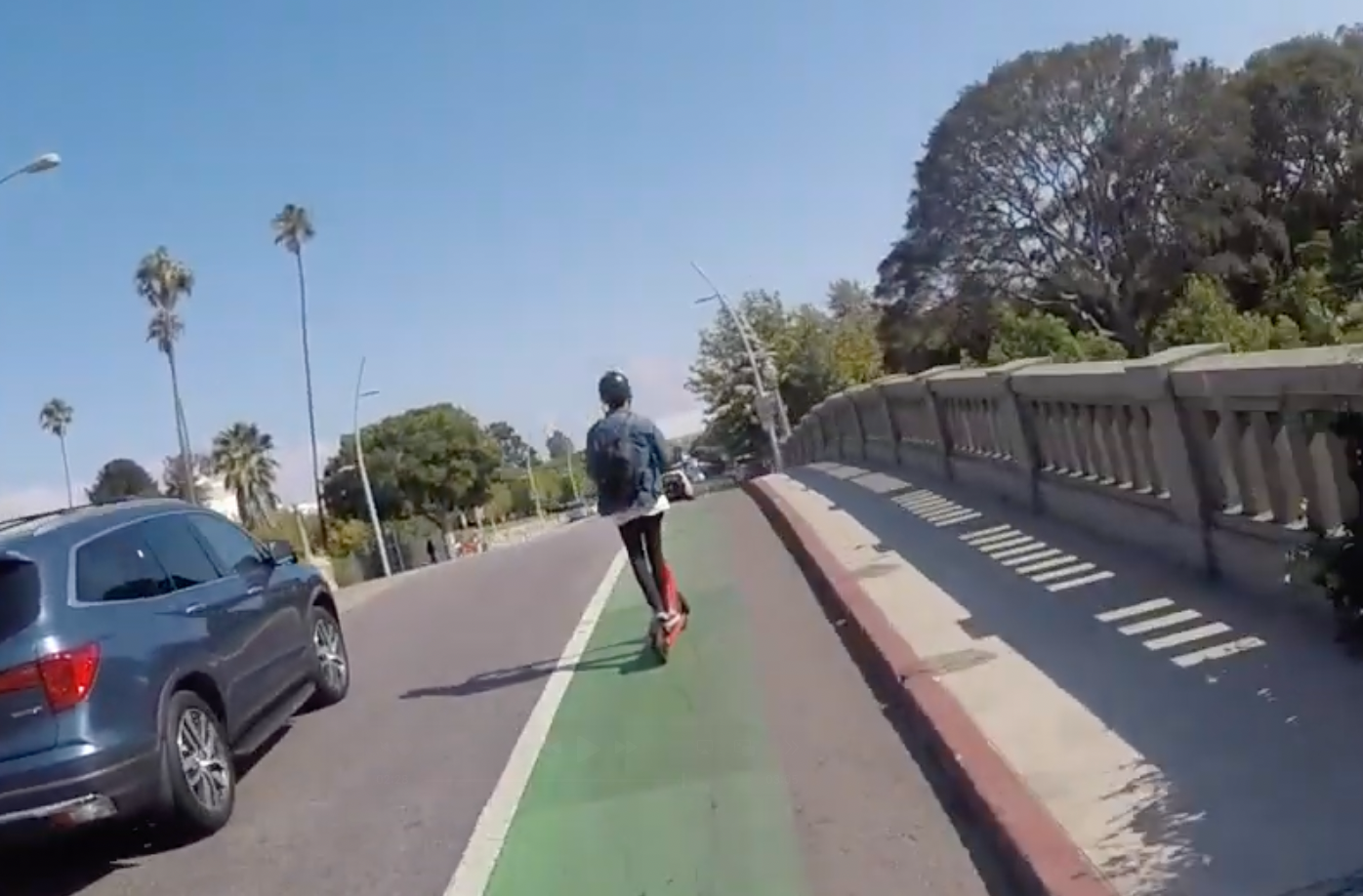
Ride test in Santa Monica, CAEach session was meticulously documented with photos and notes, allowing the team to synthesize insights into actionable improvements.
These findings were instrumental in validating the navigation system’s ability to deliver safer and more intuitive travel experiences.
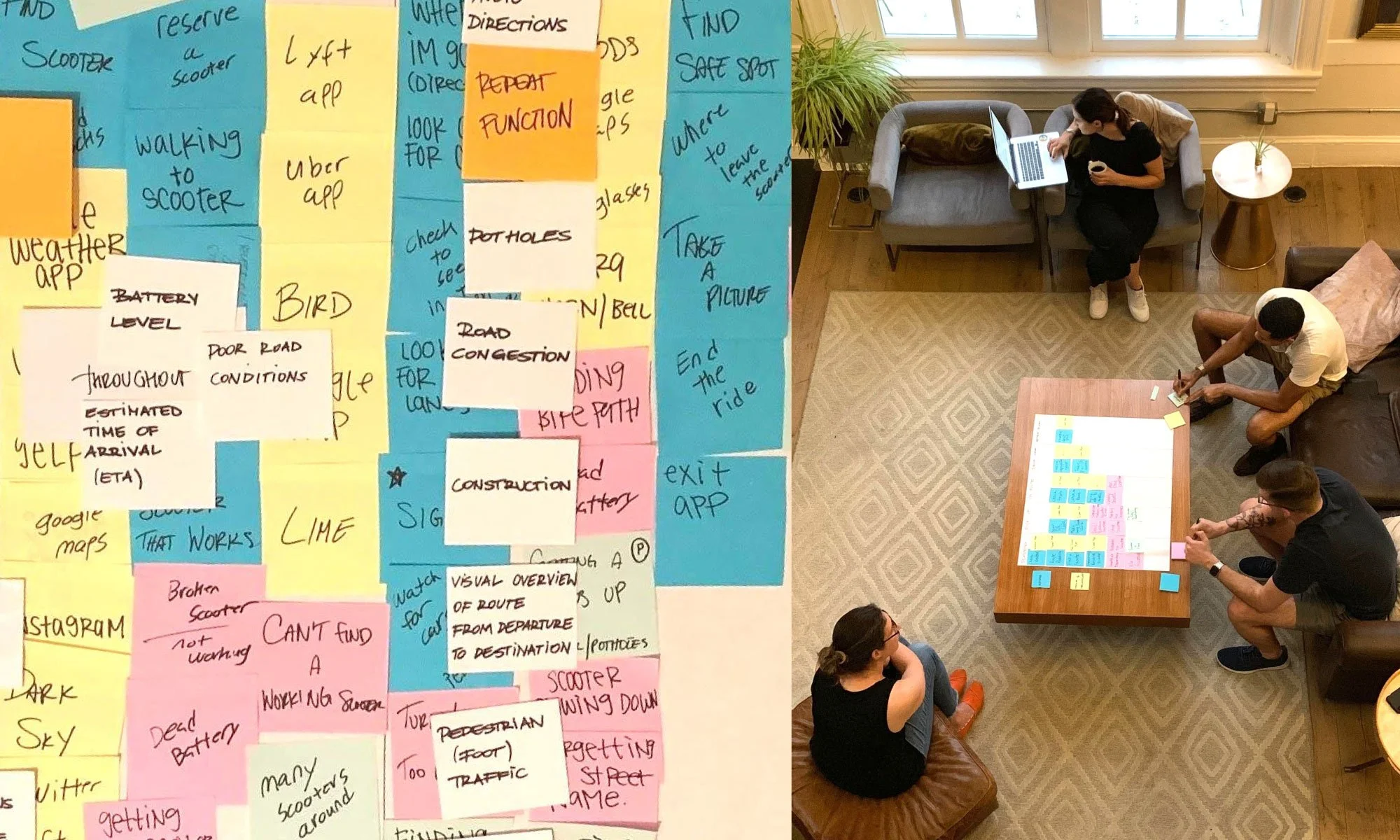
Research Synthesis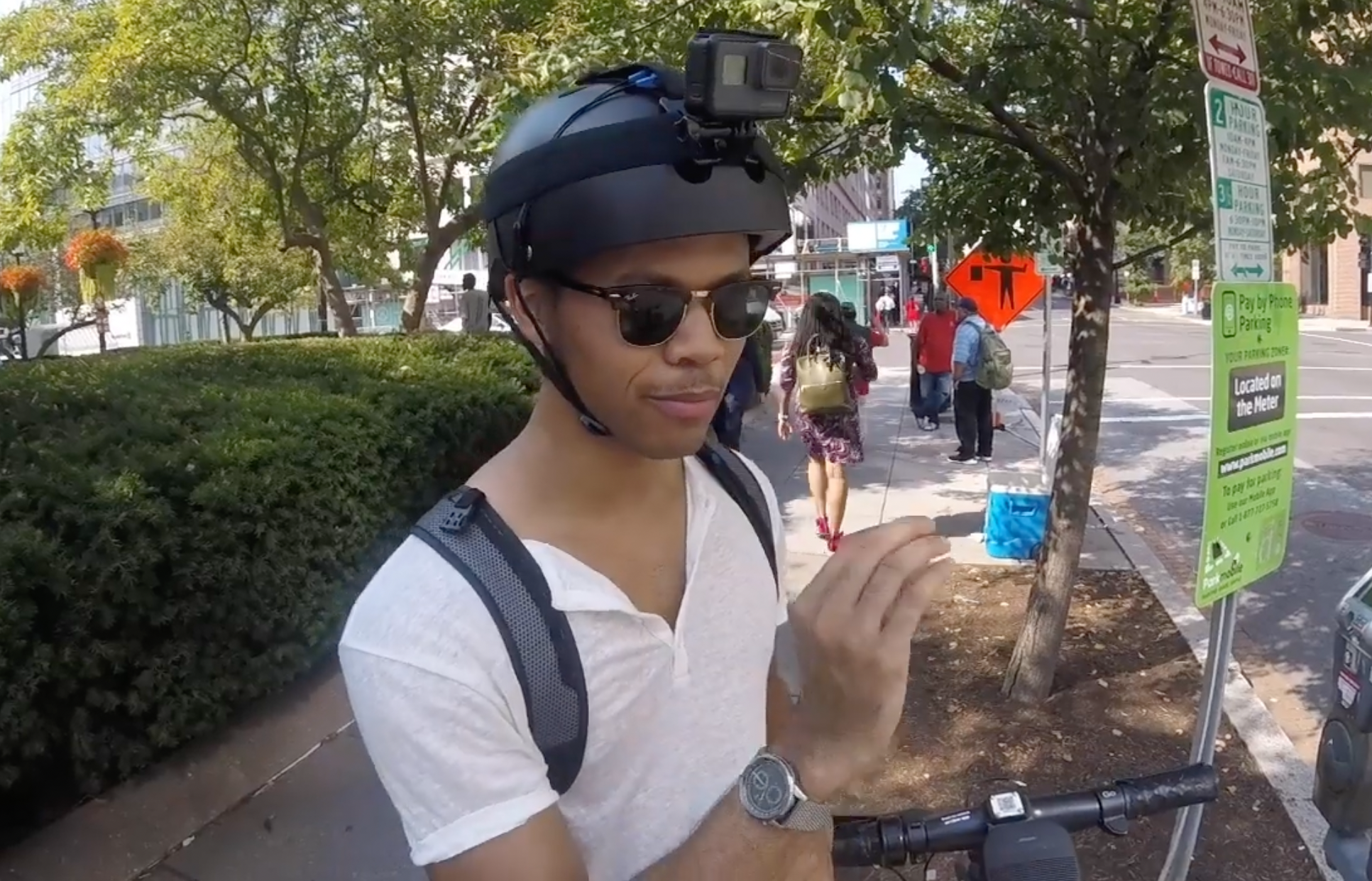
Ride test interview in Washington, DC“I noticed [the tones] as soon as we took off. It made me aware I’m going the right way. It made me feel safe. The vibrating was really cool because I daydream a lot.”
Tourist - Santa Monica, CA“When I was prompted to make a left or right, the handlebar would vibrate. That was way more helpful [than the beeps]. Sometimes you might not hear a beep, there’s a lot going on outside, but the vibrations were way more helpful.”
Casual Rider - Washington, DC“Let’s say there’s 3 scooter companies and one of them had this on the scooter and I had the option of all three... I would’ve picked the one that would have [the beeps and vibrations].”
Casual Rider - Santa Monica, DCADAPTIVE TROUBLESHOOTING
Field testing brought unexpected challenges, such as GPS inaccuracies and inconsistent haptic feedback.
Collaborating closely with the Software Engineer, I recalibrated navigation signals and adjusted haptic feedback intensity to suit varying road conditions.
We used rented scooters for testing to mimic real-world user experiences, which required adapting the prototypes to unfamiliar hardware.
This problem-solving in real time was critical to ensuring the reliability of the prototypes and the success of the testing sessions.
Solving Challenges in Real Time
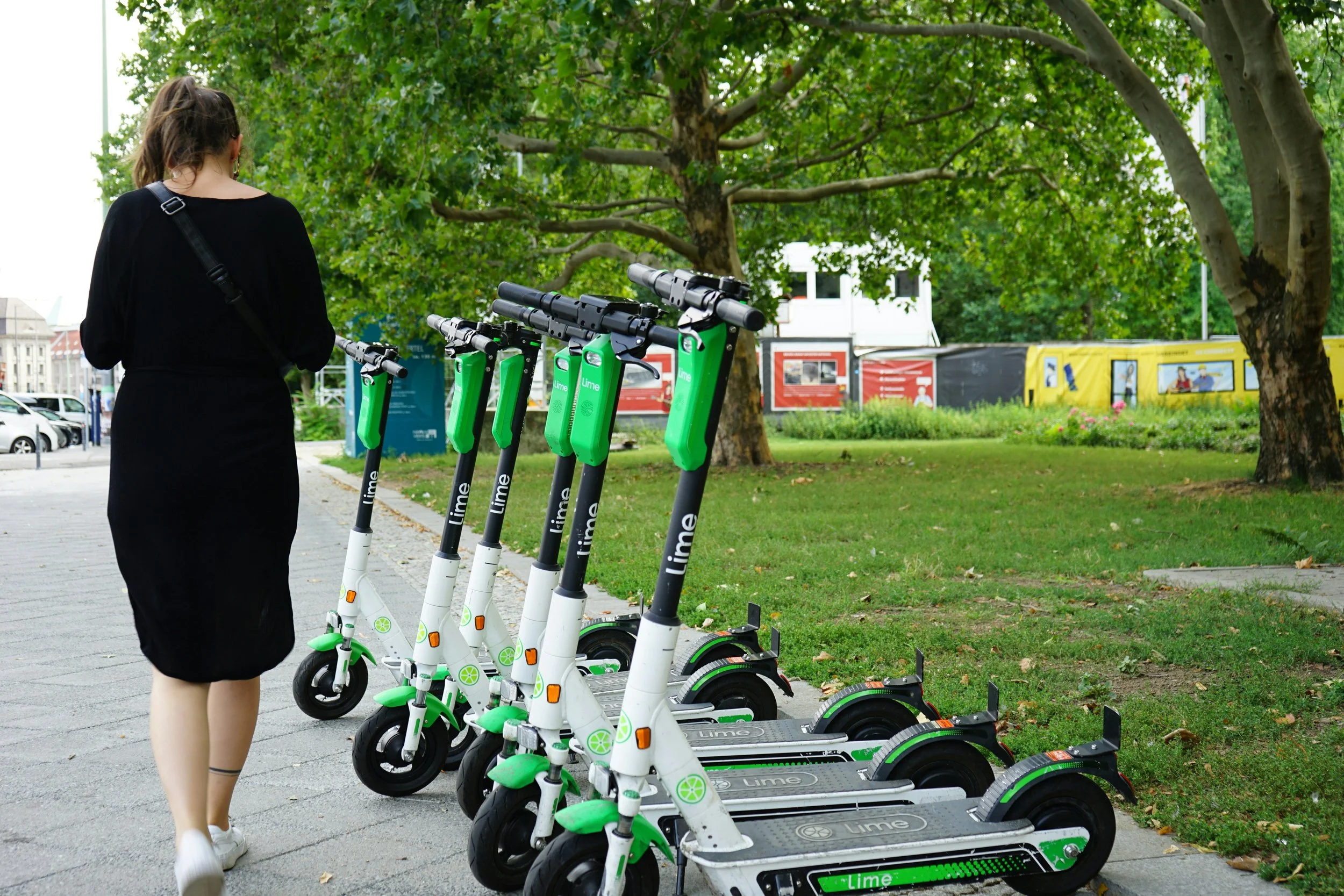
We used rented scooters in order to be closer to the actual experience. 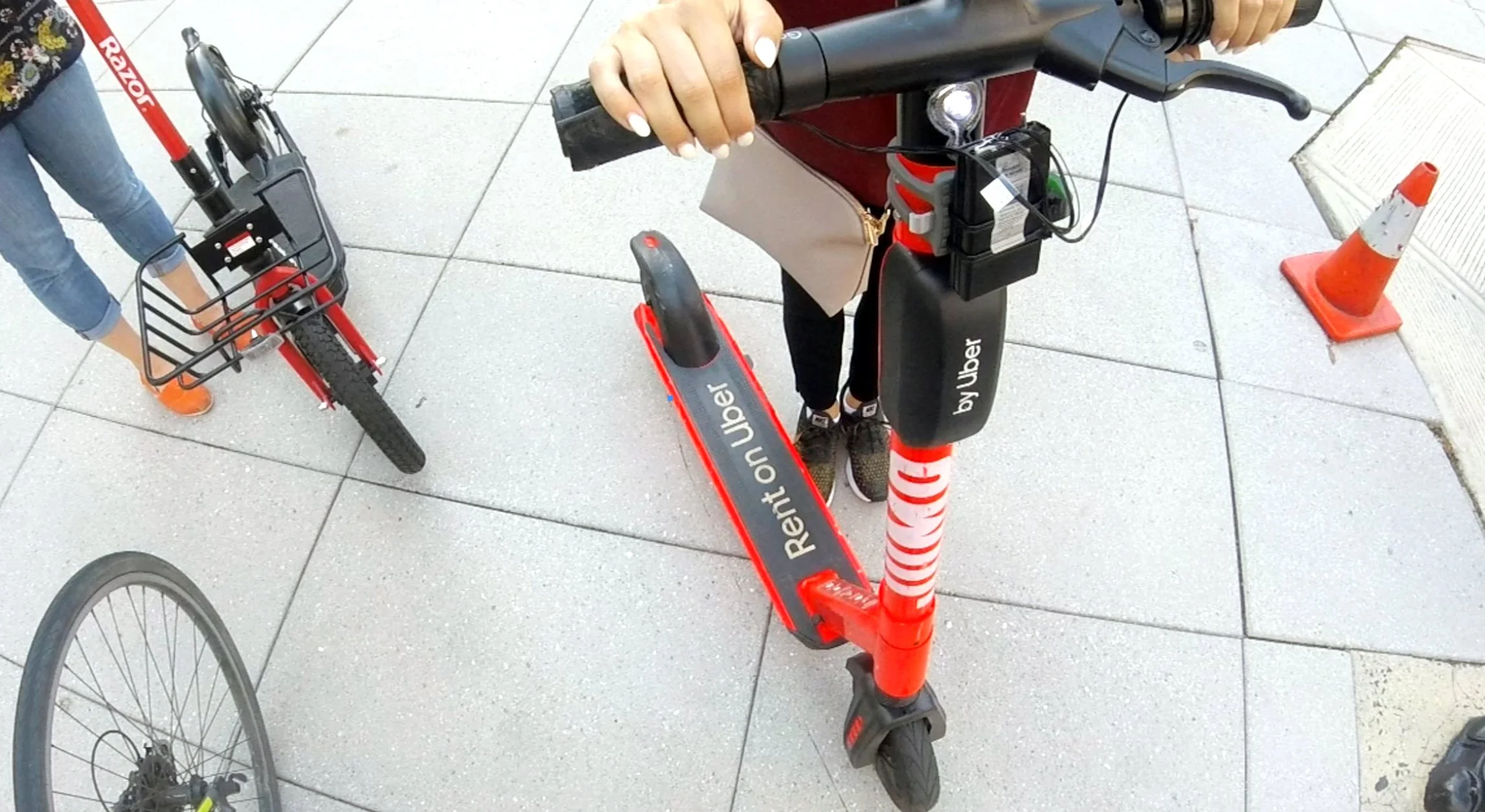
Hardware mounted on a rented scooter.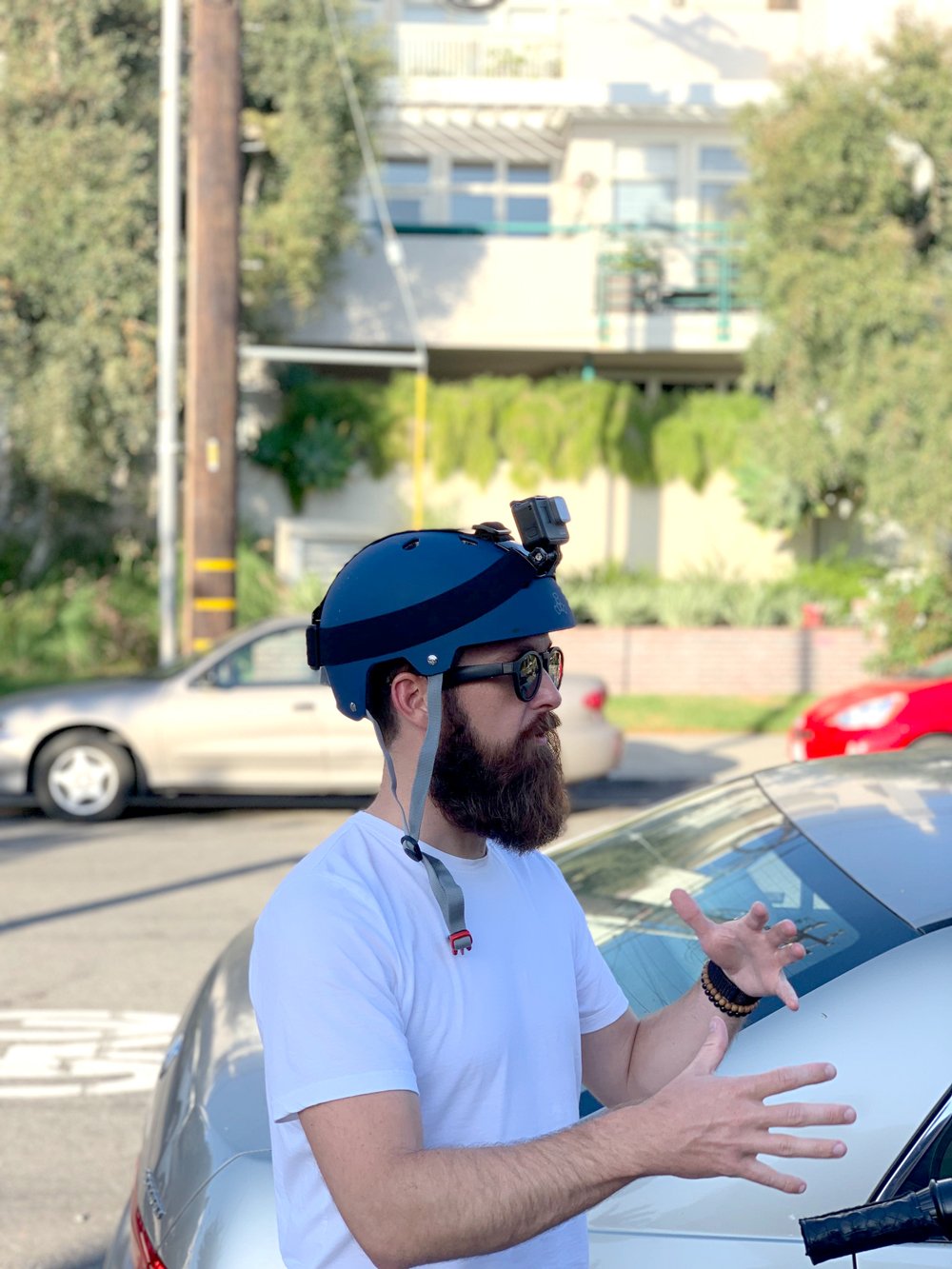
Troubleshooting during the study.
Final Thoughts
This project reinforced the importance of adaptability, interdisciplinary collaboration, and hands-on problem-solving in achieving innovative outcomes.
The awarded patent highlights the groundbreaking nature of the work, and the project’s insights have informed Bose’s broader R&D strategies.
My ability to step into a complex, fast-paced project environment and deliver results demonstrates the value of blending technical expertise with a user-centered approach.